Carpet Cleaning in W6
Carpet cleaning in W6 is a practical way to refresh fitted carpets, runners and rugs with a method chosen for the fibre, the finish and the level of soiling. Our service focuses on removing everyday dirt, dusty build-up and marked areas while keeping the fabric and pile in mind. Whether the carpet is in a living room, hallway, bedroom or office space, the aim is the same: a cleaner surface, a more even appearance and a result that supports the condition of the floor covering.
We work across common carpet types and can adapt the approach to domestic or light commercial settings. Some carpets need a deeper wash, while others benefit from a gentler process that lifts surface soil without over-wetting the fibres. That decision matters because the right method should suit the material, the backing and the room it is in. If you are comparing options, our team can explain the likely process and what to expect from the finish.
For a clear idea of cost and the most suitable treatment, you can request a quotation once you have a sense of the rooms, the carpet type and any noticeable stains. If you already know you need a broader clean, it can also help to think about adjoining soft furnishings so the work is planned in a sensible order. Pricing and quotes gives a useful place to start when you want a service that is easy to understand before booking.
What our carpet cleaning covers
Carpet cleaning is not one fixed job. A hallway carpet with heavy foot traffic usually needs a different approach from a bedroom carpet that mainly carries light dust. We look at the pile, fibre blend, visible marks and how the room is used before choosing a suitable clean. That may involve a more focused treatment for spots and traffic lanes, followed by a full clean so the finish is even rather than patchy.
Some customers want a one-off refresh before guests arrive or after a busy season. Others want help with maintenance, where regular cleaning keeps soil from settling too deeply. Our service can cover a single room, several rooms or a whole property, and the work can be scaled around the condition of the carpet rather than forced into a standard package. For a wider approach to general household upkeep, one-off cleaning can sit alongside carpet care when a property needs several areas dealt with in one visit.
When carpets need more than a surface tidy, a deeper treatment can be the better choice. That may be suitable after renovations, after tenancy changeover, or when carpets have become dull from routine use. If you are planning a more involved clean in the same property, deep cleaning is relevant because it reflects the kind of detailed work that often sits well beside carpet care, especially where the floors are only one part of the overall job.
Cleaning methods and carpet care
Different carpets respond differently to cleaning, and that is why method matters as much as chemistry. A synthetic carpet may tolerate a more robust wash, while a natural fibre or a delicate weave may need a lighter touch and more controlled moisture. The purpose is not to soak the pile, but to clean effectively while protecting the structure beneath. That balance helps reduce residue and supports a more even appearance once the fibres are dry.
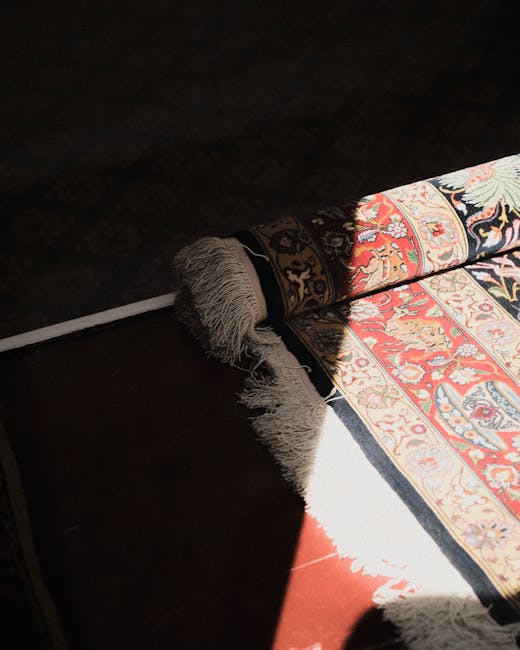
We also consider what is on the carpet. Mud, drink marks, pet-related dirt and ground-in dust do not all lift in the same way. Spot treatment can help specific marks, but it should sit within a sensible overall clean so one bright patch does not stand out from the rest of the room. If rugs are part of the same floor plan, it can be useful to treat them separately; rug cleaning is a related service for items that may need a different process from fitted carpet.
Careful carpet cleaning is also about finish and routine maintenance. Vacuuming removes loose debris, but it does not always clear compacted soil from the pile. A professional clean can support the carpet between replacements by lifting more than the surface layer, especially in rooms where family life, work activity or daily access keeps fibres under constant use. The result is often a carpet that looks more even, feels fresher and is easier to keep in condition afterwards.
Rooms, fibres and practical choices
Not every room asks for the same carpet treatment. Hallways and stairs usually gather the most wear, while bedrooms and reception rooms may need more attention to appearance than to heavy soiling. In a home, the carpet around entrances often collects grit from shoes; in an office or shared space, the build-up can be spread over walkways and desk routes. Choosing the right clean starts with recognising those different patterns, because the area of wear often tells you more than the room label itself.
Fibre type matters too. Wool-rich carpets need considered handling, and some blends respond best to a controlled wash rather than an aggressive treatment. Loop pile, cut pile and textured carpets can all hold dirt differently, so the same stain may behave differently from one carpet to another. If the carpet has a history of repairs, stretching or fading, it is sensible to mention that before the work begins so the clean is matched to the floor covering rather than treated as a generic surface.
For properties where floors, skirting areas and soft furnishings all need attention, domestic cleaning may be useful as a broader household service alongside carpet work. That does not change the specific care needed for the carpet itself, but it does help when you want a tidy, joined-up result across several spaces. A coordinated approach can be especially helpful in occupied homes where the rooms are still in use.
Stains, odours and treated areas
Carpet cleaning often becomes more valuable when it deals with the marks people actually notice day to day. Spills from drinks, food spots, tracked-in dirt and small accidental stains can all affect how a room feels, even when the rest of the carpet is in reasonable condition. We can target treated areas within the wider clean, but it is important to be realistic: some marks lighten significantly, some fade unevenly, and some have altered the fibre colour in a way that cleaning alone cannot reverse.
Odour control is another reason customers ask for a proper carpet wash. If the carpet has absorbed smells from pets, moisture or repeated spillages, a surface clean is rarely enough. In those cases, the work needs to reach the fibres more deeply while staying suitable for the carpet type. If the fabric around the carpet also needs attention, upholstery cleaning is a practical companion service for sofas, chairs and other soft items that may be contributing to the overall feel of the room.
We always prefer to discuss problem areas honestly rather than oversell the result. A stained carpet can still look much better after cleaning, but final appearance depends on the age of the mark, the material and whether the stain has already been treated with the wrong product. Clear information from the start helps us choose the right process and gives you a more accurate expectation of the outcome.
Preparing a carpet clean and understanding the visit
Before a carpet clean, it helps to clear small items from the floor and make sure the areas to be treated are reachable. That may mean moving toys, loose storage baskets or lightweight furnishings, while heavier items can sometimes remain in place depending on access and the planned method. Good access allows the work to be done properly and helps reduce delays once the team is on site. If there are any fragile fittings, obstacles or alarmed doors to know about, mention them in advance.
Photographs can also be useful when you are asking for a quotation, especially if the carpet has visible staining, uneven wear or several rooms to assess. A brief description of the rooms, the floor type and any particular concern often gives enough detail for a sensible estimate. It is better to share honest information than to simplify the job, because the clean can then be planned around the actual condition of the carpet rather than an assumption. Accuracy at the start usually leads to a smoother visit.
If you are planning the clean around a move-out or a property handover, it may be useful to look at end of tenancy cleaning as part of the overall schedule. Carpet care often sits naturally within that kind of work because floors are one of the main surfaces people notice when checking a property. Even when the carpet clean is booked on its own, the same practical planning applies: clear access, clear instructions and a clear scope.
Commercial carpets and regular use
Carpets in workplaces, waiting rooms and shared premises face a different rhythm from household flooring. Footfall can be heavier, debris may come from several entrances and the carpet may need to look presentable over a wider span of the day. For that reason, commercial carpet cleaning often benefits from a treatment plan that focuses on visible walkways, reception areas and other places where first impressions matter most. The aim is to improve appearance without disrupting the normal use of the space more than necessary.
Offices and similar settings may also need related soft-surface care. Office cleaning can complement carpet work where desks, chairs, communal areas and floor coverings all need to be considered together. In some spaces, carpet cleaning is easiest to schedule outside core hours, while in others a room-by-room approach works better. The right arrangement depends on access, the layout of the premises and whether the carpet is in a public or staff-only zone.
Commercial carpet care is also about consistency. A well-cleaned entrance area can still look untidy if adjacent walkways are ignored, so the scope should reflect how people move through the building. We can discuss which areas deserve priority and which can be included as part of a wider visit. That practical approach helps make the result feel coordinated rather than partial.
About W6
W6 is the postcode district covering parts of west London that include Hammersmith, Ravenscourt Park, Brook Green and areas close to the Thames. The district sits within a dense urban landscape shaped by transport routes, residential terraces, commercial streets and riverside stretches. Hammersmith Broadway is one of the best-known local nodes, where bus routes, the Underground and surrounding retail and office activity come together. The area has long been associated with movement across the capital, which is reflected in its bridges, rail links and busy street network.
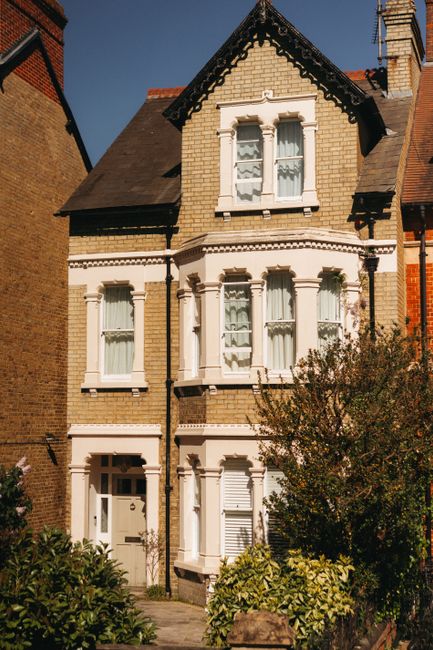
The district contains a mix of nineteenth- and twentieth-century building styles, from mansion blocks and terraces to larger residential developments and institutional buildings. Ravenscourt Park is a significant open space, with tree-lined paths, sports facilities and the parkland character that offers a contrast to the busier roads nearby. The Thames forms a major boundary and visual feature for parts of W6, while nearby riverside walks connect the district to surrounding neighbourhoods and wider west London. The resulting pattern is varied rather than uniform, with quieter residential streets not far from commercial corridors.
Local architecture and public life also help shape the feel of the district. The area includes church buildings, civic spaces and cultural venues, along with long-standing pubs, shops and entertainment sites that have changed over time as the district has grown. The setting combines everyday residential use with movement in and out of central London, giving W6 a character that is both practical and historically layered. Its streets show the overlap of older housing, modern redevelopment and green space, which is typical of inner west London but still distinct in detail.
Extra services that can support carpet care

Carpet cleaning is often most effective when it is part of a wider view of the surfaces in a property. Upholstery, rugs and hard floors all influence how clean a room feels, and each surface has its own needs. If a carpet has been affected by a spill that also reached a sofa or chair, addressing only one item may leave the room feeling half-finished. A coordinated plan can therefore make sense when the goal is a better overall presentation rather than a single isolated task.
For some properties, sofa cleaning is a natural next step because soft furnishings can trap dust, body oils and everyday marks in much the same way that carpets do. In other rooms, hard floor cleaning may be relevant where wood, laminate or tiled areas sit beside carpeted spaces and need the same standard of care. The point is not to bundle everything together unnecessarily, but to pick the treatments that match the surfaces actually present.
We can also discuss whether carpet cleaning should sit alongside a more general clean of the property. Some customers only need the flooring, while others want a room to feel settled as a whole after several surfaces have been addressed. Where a mix of services is sensible, the advantage is straightforward: each material gets the right method rather than a one-size-fits-all approach that risks doing less than it should.
Choosing the right scope and timing
The most useful carpet cleaning bookings are usually the ones with a clear scope. A single landing, a set of stairs, a lounge carpet or a full property each calls for a different amount of work. Even when the job is small, it helps to say whether you want only visible stains addressed or a broader refresh of the whole room. That difference matters because the time, method and expected finish will all vary in line with the condition of the floor covering.
Timing can matter as well, especially if the carpet is in daily use. Some customers prefer the work done before a social occasion, after tenants have moved out or at a quieter point in the week when rooms are easier to access. If you are comparing carpet care with general housekeeping, house cleaning may provide a broader context for the rest of the rooms while carpet cleaning deals specifically with the floor surfaces that most affect the feel of a space.
When you are ready to move forward, the most helpful next step is simple: ask for a quotation and give a short outline of the rooms, carpet type and any problem areas. That allows the service to be discussed on the basis of the actual work rather than a guess. If you need a wider property clean as well, mention that at the same time so the plan can be shaped sensibly.
Final steps and getting started
A good carpet clean should leave the room looking fresher without making exaggerated promises. The result depends on the carpet itself, the build-up present and the method selected, but a well-planned clean can noticeably improve appearance and help the floor feel better maintained. That is particularly useful in rooms where the carpet is still sound and only needs attention to restore a more even, cared-for finish. For many customers, that makes cleaning a sensible alternative to replacing something that is otherwise still serviceable.
If you are considering other soft-surface work at the same time, cleaning company pages can point you towards the wider mix of services available, while carpet cleaning remains the main focus here. The important thing is to choose a provider that treats the carpet as a specific material rather than a generic surface. That means the method, the order of work and the aftercare should all be guided by the carpet’s condition.
Ready to proceed? Send the room details, note any stains or special concerns and request a quotation when it suits you. If you want the work to cover more than carpets, say so early, and the plan can be shaped around the other surfaces in the property. A clear enquiry is the quickest route to a suitable clean.