End of tenancy cleaning near Ravenscourt Park W6: a practical guide for tenants, landlords, and letting agents
If you are moving out of a flat or house near Ravenscourt Park, the last thing you want is a stressful handover over skirting boards, ovens, or bathroom limescale. End of tenancy cleaning near Ravenscourt Park W6 is about more than a quick tidy. It is the difference between a property that looks "lived in" and one that feels properly reset for the next occupant. And let's face it, when you are packing boxes and chasing removals, the cleaning can become the part everybody underestimates.
This guide explains what end of tenancy cleaning usually involves, how the process works, why it matters in a London rental, and how to judge whether you need professional help. You will also find a checklist, a comparison table, common mistakes to avoid, and realistic advice for getting the best result without overcomplicating things.
Table of Contents
- Why End of tenancy cleaning near Ravenscourt Park W6 Matters
- How End of tenancy cleaning near Ravenscourt Park W6 Works
- Key Benefits and Practical Advantages
- Who This Is For and When It Makes Sense
- Step-by-Step Guidance
- Expert Tips for Better Results
- Common Mistakes to Avoid
- Tools, Resources and Recommendations
- Law, Compliance, Standards, or Best Practice
- Options, Methods, or Comparison Table
- Case Study or Real-World Example
- Practical Checklist
- Conclusion
- Frequently Asked Questions
Why End of tenancy cleaning near Ravenscourt Park W6 Matters
Moving out is rarely just about removing furniture and returning keys. In most rentals, the property needs to be left in a clean condition that matches the tenancy agreement and the condition expected at check-out. That is the core reason end of tenancy cleaning matters: it helps close the tenancy on the right note and reduces friction at the final inspection.
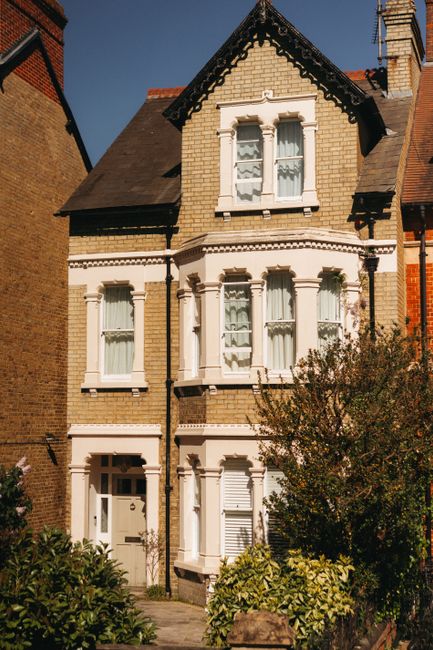
Near Ravenscourt Park, many homes are a mix of period flats, converted buildings, and modern apartments. Those properties often have their own cleaning challenges. Older features may collect dust in ornate details. Smaller kitchens can hold onto cooking residue. Shared hallways and compact layouts can make it harder to move equipment and clean properly. You notice these things more when you are standing in the doorway with a van booked and your deposit on your mind.
There is also the practical side. A clean property photographs better, presents better to the landlord or managing agent, and feels more professional overall. Even if your landlord is relaxed, a thorough clean can prevent awkward comments over missed areas like behind radiators, inside cupboards, or around extractor fans. Those little spots matter more than people think.
Key takeaway: the goal is not to make the property "new", but to leave it hygienic, well-presented, and aligned with the tenancy expectations you agreed to at the start.
How End of tenancy cleaning near Ravenscourt Park W6 Works
End of tenancy cleaning is usually a deep, room-by-room clean carried out after furniture has been removed and before the final inspection. Unlike regular domestic cleaning, it tends to focus on built-up grime, edge areas, hidden surfaces, and fixtures that are easy to overlook during day-to-day living.
A proper service normally follows a logical sequence. First comes the assessment, where the cleaner checks the size of the property, the number of rooms, and the condition of the main surfaces. Then the work begins in a methodical way: dusting high and low, cleaning kitchens and bathrooms thoroughly, treating appliances, and finishing with floors and visible touchpoints. Good cleaners work from top to bottom so dust does not fall onto already cleaned areas. Simple, but effective.
In a local W6 property, access matters too. Lift access, parking restrictions, narrow stairwells, and entry codes can all affect timing. If you live near Ravenscourt Park Station or on a busier road, it helps to arrange a realistic arrival window. No one enjoys a rushed start because a parking bay turned into a small urban puzzle.
The service may include the following:
- Kitchen degreasing and surface sanitising
- Bathroom descaling and disinfection
- Inside and outside cupboard cleaning
- Appliance cleaning, including ovens where agreed
- Vacuuming and mopping floors
- Dusting skirting boards, doors, switches, and fittings
- Window cleaning of internal glass and accessible frames
- Spot cleaning walls, marks, and light residue where practical
Some providers also offer extras such as carpet cleaning, oven cleaning, or upholstery cleaning if the property needs a more complete refresh. That can be useful when carpets or soft furnishings are part of the handover expectations.
Key Benefits and Practical Advantages
The obvious benefit is a cleaner property. But there are several other advantages worth considering, especially if you are juggling a move in West London and do not have endless time on your hands.
- Better chance of meeting tenancy expectations: A thorough clean reduces the risk of avoidable deductions linked to cleanliness.
- Less last-minute stress: You are already dealing with inventory checks, removals, utilities, and forwarding mail. Offloading the cleaning can ease the pressure.
- More consistent results: Professionals use a system. They do not rely on "I'll just give it a wipe and hope for the best".
- Attention to problem areas: Grease, limescale, and built-up dust are the usual troublemakers, and these need more than surface-level effort.
- Better presentation for the final inspection: A fresh, tidy property creates a much smoother handover, which is exactly what you want at the end of a tenancy.
There is also the emotional benefit, oddly enough. Once the property is clean, you can actually feel the tenancy wrapping up. That matters. Moving is noisy, messy, and a bit relentless. A proper clean gives the whole process a finish line.
Who This Is For and When It Makes Sense
End of tenancy cleaning near Ravenscourt Park W6 makes sense for several types of people. It is not only for tenants about to move out. Landlords and letting agents also benefit from a better handover process, especially when they want to turn a property around efficiently between occupants.
Tenants
If you are moving out and want to protect your deposit, this is the most common reason to book a deep clean. It is especially relevant if you have lived in the property for a long time, cooked regularly, have pets, or simply do not have the time or energy to do it properly yourself. Truth be told, few people do their best cleaning on moving week.
Landlords
For landlords, a good clean helps the property look cared for and ready to market again. It can also make any maintenance issues easier to spot. For example, once a kitchen is properly cleaned, a worn seal or damaged tile becomes much easier to notice.
Letting agents
Agents need properties to present well for check-ins, viewings, and move-ins. Reliable cleaning saves time and can reduce complaints at the start of a new tenancy.
Short-let or periodic turnover situations
Sometimes a deep clean is needed between occupants even when it is not a formal end of tenancy. If the property has had heavy use, or if the previous occupants left it in a less-than-ideal state, a thorough clean is the sensible reset.
If your place only needs a seasonal refresh rather than a moving-out clean, a deep cleaning service or one-off cleaning may be a better fit. Different jobs, different aims. Simple as that.
Step-by-Step Guidance
If you want to manage the process well, it helps to think in stages. The work gets easier when you do not try to do everything at once.
- Check your tenancy agreement. Look for cleaning clauses, inventory requirements, and any notes about carpets, ovens, garden areas, or appliances.
- Inspect the property realistically. Walk through each room and note the areas that will take time: limescale, oven grease, dust on high shelves, marks on doors, and built-up grime in bathrooms.
- Decide what you can handle yourself. Small jobs like emptying cupboards, removing limescale products, or bagging loose rubbish are often worth doing before a cleaner arrives.
- Book the clean for the right time. Ideally, do it after movers have finished and before the final inspection. That way the cleaner is not working around boxes and chaos.
- Be clear about extras. If you need oven cleaning, carpet cleaning, window cleaning, or sofa treatment, mention it in advance so expectations are aligned.
- Prepare access. Keys, entry codes, parking information, and any building rules should be sorted early. A delay at the entrance can throw off the whole day.
- Do a final walk-through. After the clean, check the main risk areas: kitchen, bathroom, inside appliances, flooring edges, and the places behind doors and radiators.
A sensible move-out plan usually includes a bit of your own prep before the professionals arrive. Empty the fridge. Remove food. Clear wardrobes. The cleaner can do a far better job when they are not cleaning around your leftovers from last Tuesday.
Expert Tips for Better Results
There are a few practical habits that can make a noticeable difference. Not dramatic, not flashy, just the kind of sensible detail that saves time and frustration.
- Start with the inventory photos. If you have a check-in report, compare it to the current condition. It helps you focus on the right rooms and finishes.
- Clean from the top down. Dust falls. Grease drips. If you start with floors, you may end up repeating work.
- Focus on touchpoints. Light switches, handles, taps, and door frames are the places people notice without consciously noticing. Funny how that works.
- Use the right product on the right surface. Harsh chemicals can damage wood, stone, or delicate finishes, especially in older London properties.
- Allow drying time. Bathrooms, upholstery, and carpets may need a little time to settle after cleaning. Don't rush the inspection the minute the mop goes down.
- Be honest about the condition. If there is heavy grease or stubborn staining, say so. A cleaner can only plan properly when they know the real situation.
One small but useful observation: kitchens near busy streets or in compact flats often collect a mix of cooking residue and fine dust. It is a stubborn combination, and it usually needs more than one quick pass. No shame in that.
Common Mistakes to Avoid
Most move-out cleaning problems are avoidable. The issue is usually not effort; it is timing, assumptions, or simply missing the hidden bits.
- Leaving it to the last minute: This is the big one. A rushed clean usually misses corners, appliances, and detail areas.
- Assuming a surface tidy is enough: End of tenancy standards are usually closer to deep clean than casual clean.
- Forgetting the inside spaces: Cupboards, drawers, fridges, and ovens matter. Quite a lot, actually.
- Using the wrong cleaning product: This can dull finishes or leave residue that looks worse than the original mark.
- Not checking carpets and upholstery: If these were part of the condition at move-in, they may need more than vacuuming.
- Ignoring documentation: Without photos or a final inventory, it is harder to challenge unfair deductions later.
Another common mistake is overestimating what a normal tidy-up can achieve. A "freshen up" and a genuine end of tenancy clean are not the same thing. Not even close.
Tools, Resources and Recommendations
If you are doing part of the work yourself, the right tools make a very visible difference. You do not need a van full of kit, just the basics done properly.
| Area | Helpful tools | Why they matter |
|---|---|---|
| Kitchen | Degreaser, microfiber cloths, non-scratch sponge, scraper | Helps lift baked-on residue without damaging surfaces |
| Bathroom | Limescale remover, grout brush, disinfectant, squeegee | Makes taps, tiles, and glass look genuinely clean |
| Floors | Vacuum, mop, suitable floor cleaner | Removes dust, crumbs, and marks left after moving out |
| Fixtures | Soft cloths, detail brush, mild cleaner | Useful for switches, handles, vents, and corners |
| Textiles | Fabric cleaner, upholstery attachment | Helps refresh sofas, chairs, and soft furnishings |
If you are comparing cleaning help, it can also be useful to look at the wider service mix. Some households combine move-out cleaning with domestic cleaning history, or choose house cleaning support when a property needs a broader reset. For hard flooring, a targeted hard floor cleaning service can be worth considering if the surface has lost its finish.
And yes, the humble microfiber cloth still earns its keep. It is not glamorous, but it works.
Law, Compliance, Standards, or Best Practice
For rental properties in the UK, the key point is usually not a standalone "cleaning law" but the tenancy agreement, inventory condition, and the general expectation that the property is returned in a clean condition. The exact requirement depends on what was agreed, how the property was handed over, and what condition it was in at check-in.
Good practice in this area usually means:
- matching cleaning efforts to the signed inventory and tenancy terms
- keeping receipts or proof of professional cleaning if the tenancy requires it
- avoiding damage while cleaning, especially on delicate fixtures and fittings
- using safe products and sensible handling around electrics, sharp edges, and ventilation
- making sure work is carried out with due care in occupied or shared buildings
If a landlord or agent requests a certain level of cleanliness, it is worth reading the wording carefully. Sometimes the expectation is simply "professionally cleaned". Sometimes it is "returned to the same standard as at the start, allowing for fair wear and tear." The wording matters. A lot, actually.
Reputable providers should also be able to speak clearly about health and safety practices, insurance and safety, and their approach to responsible waste handling or consumables. If you are checking a provider more broadly, pages such as about us and cleaning company can also help you judge whether they look organised and transparent.
Options, Methods, or Comparison Table
There is no single right answer for every move-out. The best approach depends on your time, budget, and how demanding the final inspection is likely to be.
| Option | Best for | Pros | Trade-offs |
|---|---|---|---|
| DIY clean | Small, lightly used properties | Cheaper, flexible, full control | Time-consuming; easy to miss hidden areas |
| Partial clean plus specialist extras | Properties needing targeted help | Budget-friendly and focused | You still manage the rest yourself |
| Professional end of tenancy cleaning | Most rentals, time-pressed moves | Thorough, structured, less stressful | Higher upfront cost than DIY |
| Combined deep clean | Heavily used homes or long tenancies | More complete reset | May take longer and cost more |
If the property has visible food build-up, appliance residue, or extraction grease, specialist extras like oven cleaner support can make a noticeable difference. Likewise, if the windows are dusty from renovation nearby or city traffic, window cleaning can help the place feel properly finished.
Case Study or Real-World Example
Here is a realistic example. A tenant in a first-floor flat near Ravenscourt Park had lived there for just over two years. The property was generally tidy, but the kitchen had a greasy extractor hood, the bathroom had limescale around the taps, and the carpets had picked up day-to-day wear from commuting and home life.
Rather than trying to do everything in a single evening, they split the job. One day was spent decluttering and emptying cupboards. Another was used for small prep, like removing items from the fridge, wiping obvious marks, and checking the inventory photos. Then the main clean was booked for the day before the handover.
The result was straightforward: no scrambling at the end, no half-finished cupboards, and no embarrassment during the inspection. The property looked properly maintained, not flashy, just cared for. That is often all it takes. The landlord walked in, nodded, and the handover felt calm. Rare in moving week, but very welcome.
If there had been heavier stain issues or more detailed cleanup needs, the tenant might also have added services such as sofa cleaning or a more intensive deep cleaning package. The lesson? Match the clean to the condition, not to the hope that "it should be fine".
Practical Checklist
Use this checklist before your final inspection or handover.
- All personal belongings removed
- Bins emptied and waste taken out
- Kitchen cupboards and drawers wiped inside and out
- Fridge, freezer, and oven cleaned
- Bathroom descaled, sanitised, and free from visible residue
- Floors vacuumed and mopped
- Skirting boards, door frames, and switches dusted
- Windows, glass, and mirrors cleaned where accessible
- Stains, marks, or scuffs checked and addressed where practical
- Light fittings, vents, and corners dust-free
- Keys, fobs, and access items ready for return
- Final photos taken after cleaning
Quick reassurance: if you are not sure whether something should be cleaned, check the tenancy documents and inventory first. That one step can save a lot of guesswork.
For larger properties or more complex moves, it can also help to coordinate with cleaners who can manage the full schedule, or with a broader home cleaners service if you need support beyond a single room. And if you care about environmental impact, you may also want to review a provider's recycling and sustainability approach. Small detail, but worthwhile.
Conclusion
End of tenancy cleaning near Ravenscourt Park W6 is really about making the move-out process smoother, cleaner, and less open to dispute. When the property is cleaned thoroughly and with attention to the details people actually notice, the final inspection becomes far less stressful. You do not need perfection. You need care, consistency, and the right priorities.
Whether you are leaving a compact apartment, a family flat, or a larger rental near the park, the same principle applies: clean the hidden areas, deal with the heavy-use spots, and leave the property in a condition that feels fair to everyone involved. That is the sweet spot.
If you want a transparent starting point before booking, it can help to review pricing and quotes and then decide what level of help makes sense for your move. A bit of clarity now can save a lot of back-and-forth later.
Get a free quote today and see how much you can save.
And once the last box is out, the rooms are quiet again, and the keys are handed over, you will feel it: one chapter done properly, and the next one ready to begin.
Frequently Asked Questions
What does end of tenancy cleaning near Ravenscourt Park W6 usually include?
It usually includes a detailed clean of kitchens, bathrooms, floors, skirting boards, doors, accessible windows, cupboards, and fixtures. Some jobs also include ovens, carpets, upholstery, or other extras if they are requested in advance.
How is end of tenancy cleaning different from regular domestic cleaning?
Regular domestic cleaning keeps a property tidy on an ongoing basis. End of tenancy cleaning is more intensive and focuses on built-up dirt, neglected edges, appliance interiors, and the standard expected at move-out.
Do I need professional cleaning to get my deposit back?
Not always. It depends on your tenancy agreement, the inventory, and the condition of the property. Many tenants choose professional cleaning because it reduces the risk of missed areas and makes the handover easier.
How long does an end of tenancy clean take?
It depends on the size and condition of the property. A small flat may take a few hours, while larger homes or properties needing extra work can take longer. Condition matters as much as size, sometimes more.
Should I clean before or after removing my furniture?
After removal is usually best. Once the furniture is out, cleaners can reach behind, beneath, and around items properly. That tends to produce a more complete result.
What are the hardest areas to clean at the end of a tenancy?
Kitchens and bathrooms are usually the toughest, especially ovens, extractor fans, taps, shower screens, grout, and limescale-prone surfaces. Carpets and soft furnishings can also need attention if they have seen heavy use.
Can I book just an oven or carpet clean instead of a full service?
Yes, if the property only needs targeted help. Many people combine a move-out clean with specialist extras such as oven cleaning or carpet cleaning when those areas need extra care.
How far in advance should I arrange the cleaning?
Ideally, book early enough to secure a slot close to your move-out date. That gives you time to finish packing, remove belongings, and handle any unexpected delays without rushing the clean.
What should I do before the cleaners arrive?
Remove personal items, empty cupboards if possible, clear food from the fridge and freezer, and make sure access arrangements are sorted. The cleaner can then focus on the actual cleaning rather than waiting around.
Is end of tenancy cleaning worth it for a small studio flat?
Very often, yes. Even a small studio can have a surprising amount of grime in the kitchen, bathroom, or around windows and floor edges. A focused clean can make a big difference at handover.
What if the property has damage as well as dirt?
Cleaning can help with dirt, marks, and residue, but it will not fix damage like cracked tiles, missing fittings, or torn upholstery. It is best to separate cleaning issues from repair issues and handle both clearly.
Can a clean property still fail inspection?
Yes, if the tenancy agreement required something more specific or if certain areas were missed. That is why inventories, photos, and a careful final walk-through are so useful. The clean should match the agreement, not just look nice at a glance.