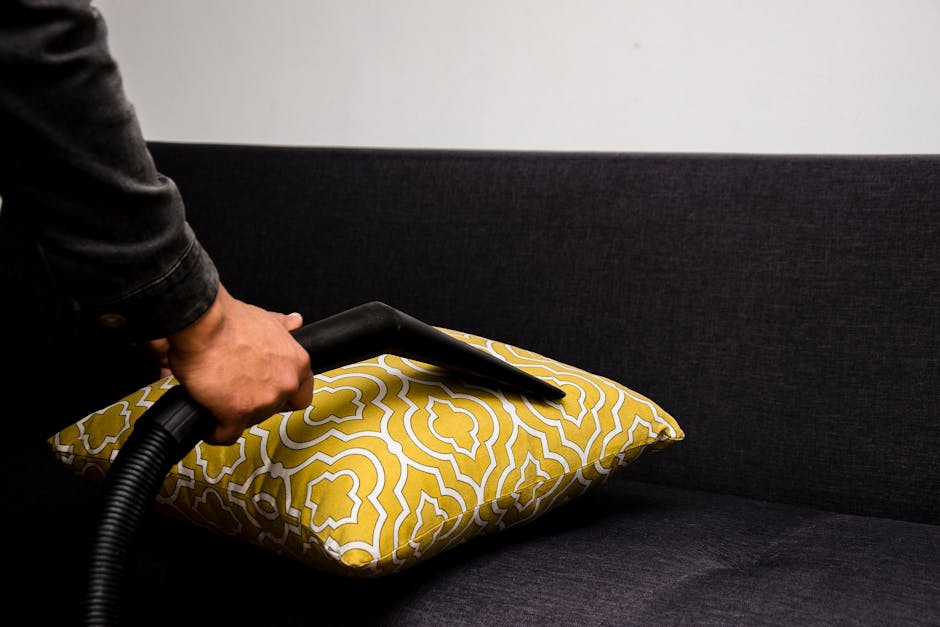
Upholstery cleaning for Hammersmith Broadway shops
If you run a shop near Hammersmith Broadway, you already know how quickly public-facing furniture starts to look tired. A waiting bench, a fitted banquette, a few lobby chairs, maybe the soft seating by the fitting room - it all takes a beating. Spilled coffee, hand marks, dust from the street, wet-weather grime, and the general "busy day" effect can make upholstery look dull long before the furniture is actually worn out. That is where upholstery cleaning for Hammersmith Broadway shops becomes less of a nice extra and more of a sensible part of keeping the business looking sharp.
This guide breaks down what commercial upholstery cleaning involves, why it matters in a busy retail area, how the process works, and what to ask for if you want reliable results without unnecessary disruption. If you are comparing options, or simply trying to work out whether your shop even needs a professional clean, you will find practical answers here. And yes, we will keep it plain-English. No fluff.
Table of Contents
- Why Upholstery cleaning for Hammersmith Broadway shops Matters
- How Upholstery cleaning for Hammersmith Broadway shops Works
- Key Benefits and Practical Advantages
- Who This Is For and When It Makes Sense
- Step-by-Step Guidance
- Expert Tips for Better Results
- Common Mistakes to Avoid
- Tools, Resources and Recommendations
- Law, Compliance, Standards, or Best Practice
- Options, Methods, or Comparison Table
- Case Study or Real-World Example
- Practical Checklist
- Conclusion
- Frequently Asked Questions
Why Upholstery cleaning for Hammersmith Broadway shops Matters
Commercial upholstery is one of those details customers notice without really noticing. A clean chair feels normal. A grubby one? People clock it in seconds. In a retail setting around Hammersmith Broadway, that matters because the first impression starts before a sale, sometimes before a greeting. A shop may have great stock and excellent service, but if the seating area looks stained or flattened, the whole space can feel less cared for.
There is also a practical side. Upholstered furniture traps dust, crumbs, pollen, body oils, drink spills, and the fine particles that drift in from high-footfall areas. Over time, that build-up can create odours and a sticky feel that quick surface wiping never really solves. To be fair, most shop staff are already doing ten jobs at once, so deep cleaning upholstery usually falls to the bottom of the list. Then it suddenly becomes obvious. A customer spills tea, a chair looks patchy in the afternoon light, and the job becomes urgent.
For shops with seating near entrances, changing rooms, consultation areas, or reception points, upholstery cleaning is also a quiet brand signal. It says the business pays attention to detail. That small signal can be surprisingly powerful in a busy commercial corridor where people have plenty of choice.
If your business also relies on other presentation-led spaces, it can help to view upholstery care alongside wider maintenance, such as office cleaning or a broader deep cleaning schedule. The goal is simple: keep the whole environment feeling fresh, not just the visible bits.
How Upholstery cleaning for Hammersmith Broadway shops Works
Professional upholstery cleaning is not just "spray and scrub". That approach can leave rings, drive dirt deeper into the fabric, or over-wet the filling underneath. A proper commercial clean starts with identifying the material, the type of soiling, and how much downtime the shop can tolerate. That last part is important. A neat clean that disrupts trading at the wrong time is not really a win.
The process usually starts with inspection. A technician checks the fabric type, seam condition, cushioning, colour fastness, and the location of stains. Natural fibres, synthetic blends, velvet, vinyl, and leather all need different handling. Some materials can take hot-water extraction. Others are better suited to low-moisture methods or specialised spot treatment. There is no one-size-fits-all answer, despite how some sales pages make it sound.
After inspection comes pre-treatment. This step loosens embedded dirt and prepares the upholstery for more even cleaning. Stains are treated individually where possible, because a coffee mark is not the same thing as tracked-in street grime or ink transfer from a receipt. Then the chosen cleaning method is applied. Depending on the fabric and condition, that may involve low-moisture cleaning, dry compound methods, steam-assisted extraction, or careful manual agitation with textile-safe products.
Drying is the final stage, and it is not a minor detail. Upholstery that stays damp too long can smell stale, attract re-soiling, or become unusable during opening hours. Good airflow, sensible moisture control, and realistic return-to-use timing all matter. A good cleaner will tell you what to expect without overpromising. That honesty is worth more than a shiny pitch.
For shop owners who need a one-off refresh before a launch, an event, or a seasonal window change, a one-off cleaning visit can often be the easiest way to get everything back to standard without setting up an ongoing contract right away.
Key Benefits and Practical Advantages
There are obvious benefits, and there are the less obvious ones that matter just as much in day-to-day trading. Both deserve attention.
- Better first impressions: clean seating makes the whole shop feel more looked after.
- Improved hygiene: regular cleaning helps remove dirt, allergens, and everyday build-up from high-touch fabric.
- Odour control: soft furnishings can hold onto smells from food, damp coats, and repeated use.
- Longer furniture life: grit and residue wear fibres down slowly; removing them helps preserve the upholstery.
- Better colour and texture: fabrics tend to recover some of their original look when embedded dirt is removed properly.
- Reduced distraction for staff and customers: clean seating quietly supports a calmer space.
There is also a financial angle, even if people do not always frame it that way. Replacing commercial furniture is expensive and disruptive. Regular cleaning can delay replacement, which is especially useful for shops with custom seating or fixed benches that are not easy to swap out. A well-maintained upholstered seat often reads as "quality"; a tired one reads as "cutting corners".
That difference can affect how long a customer stays, how comfortable they feel waiting, and whether the shop feels ready for browsing or consultation. Not dramatic, maybe. But real.
If your premises include other fabric-heavy zones, it can make sense to pair upholstery care with rug cleaning or even a broader sofa cleaning approach for staff rooms, client lounges, or display areas. The idea is to keep all soft surfaces working together visually.
Who This Is For and When It Makes Sense
This service is relevant to more businesses than people first assume. Obviously, cafes and hospitality-adjacent shops need it. But plenty of retail and service businesses around Hammersmith Broadway have upholstered furniture too: beauty salons, barber shops, boutique clothing stores, opticians, estate agents, specialist consultancies, and reception-led spaces.
It makes sense if you notice any of the following:
- Seating looks dull, patchy, or visibly marked.
- Customers sit in the same area for long periods.
- You have recent spills, seasonal mud, or weather-related dirt.
- Staff are using makeshift cleaning methods that do not fully work.
- There is a noticeable stale smell, especially in warm weather.
- You are preparing for a reopening, refit, inspection, or promotional push.
Shops with higher footfall or close-contact customer service usually need upholstery cleaning more often than quieter spaces. A small boutique with two chairs might manage on a lighter schedule, while a busy branch with a waiting area may need routine maintenance. The truth is, frequency depends on use, fabric type, and how fussy you want the space to feel. And let's face it, some businesses genuinely need that sharper standard because the furniture is part of the experience.
For businesses making broader property choices, it can also be useful to see how upholstery care fits within wider cleaning operations like commercial cleaning? Wait - since that exact URL is not available, do not worry about forcing the category. Stick to the services that are actually available, especially if you want a coordinated plan involving office cleaning or window cleaning for front-of-house presentation.
Step-by-Step Guidance
If you are arranging upholstery cleaning for a shop, a simple process helps avoid confusion and keeps expectations sensible. Here is the practical version.
- Identify the furniture type. Note whether the items are chairs, stools, benches, booths, waiting-area seats, or fixed banquettes.
- Check the fabric and condition. Look for labels if available, but do not assume the label tells the full story. Age and previous cleaning matter too.
- Spot the problem areas. Mark any stains, odours, heavy traffic zones, faded patches, or sticky armrests.
- Choose the least disruptive cleaning method. Dry or low-moisture methods are often useful in trading premises, though the right choice depends on the fabric.
- Schedule the work around opening hours. Early morning, late evening, or quieter trading periods often work best.
- Test first where needed. A discreet patch test is wise on delicate or colour-sensitive fabrics.
- Treat stains before the main clean. Stain removal is easier when the soil has not been pushed around by over-wetting.
- Allow proper drying time. Do not put customers back on damp seating too soon, however tempting it is to hurry.
- Review the result. Check for remaining marks, odours, or uneven cleaning once the upholstery is dry.
- Set a maintenance routine. Regular light care plus occasional professional cleaning usually works better than crisis cleaning.
A useful rule of thumb: if the furniture is there to make customers comfortable, the cleaning should never make them uncomfortable by causing delays or dampness. That sounds obvious, but it gets overlooked a lot.
Expert Tips for Better Results
There are a few things experienced cleaners pay attention to that make a real difference. Small things, mostly, but they add up.
1. Work with the fabric, not against it. A heavy-handed approach can flatten pile fabrics, leave watermarks, or spread contamination. Gentle technique often gives the cleaner result.
2. Deal with fresh spills quickly. Coffee, juice, cosmetics, and food oils become much harder once they have had time to bond with fibres. A quick response makes all the difference.
3. Consider the customer journey. The seat nearest the till, the fitting room bench, and the waiting chair by the door do different jobs. Clean them with that in mind. The front-of-house zone usually needs the most attention.
4. Keep an eye on airflow. Good ventilation helps drying and reduces lingering smells. In a tight retail unit, a small change here can save hours.
5. Rotate and inspect. If your seating is modular, rotating cushions or alternating usage can slow down uneven wear. It is not glamorous. It works.
6. Ask about safe products. Commercial settings often need cleaning solutions that are effective but not overly harsh. If customers or staff have sensitivities, this is worth discussing in advance.
Expert summary: The best upholstery cleaning for shops is not the most aggressive clean; it is the one that matches the fabric, handles soil properly, and lets the furniture return to service without drama.
If the shop has a broader seasonal refresh coming up, combining upholstery care with after builders cleaning can make sense after works or refits. Dust has a way of finding soft furnishings first. Annoying, but true.
Common Mistakes to Avoid
Most upholstery damage during cleaning comes from rushing or treating all fabrics the same. That is the short version. The slightly longer version is below.
- Using too much water: over-wetting can cause drying problems, browning, or odour retention.
- Scrubbing stains aggressively: this can distort fibres and push the stain deeper.
- Ignoring fabric type: what works on synthetic seating may be a poor choice for natural fibres or delicate textures.
- Cleaning only the visible stain: spot-cleaning a small patch can leave a halo or make the area look worse.
- Reusing furniture too early: damp upholstery and customers do not mix well.
- Skipping a test patch: especially risky on colourful or older upholstery.
- Forgetting staff guidance: if the team does not know how to respond to spills, the same problem keeps coming back.
One thing people sometimes forget: clean upholstery is only part of the picture. Dusty skirting, streaked glass, or grubby flooring can make clean seating look less effective than it really is. A small retail space lives or dies by consistency. Not perfection. Consistency.
Tools, Resources and Recommendations
You do not need a cupboard full of specialist kit to maintain upholstery between professional visits, but a few sensible tools help a lot. Nothing fancy. Just practical basics.
- Soft brush attachments: useful for dry dust and loose debris.
- Microfibre cloths: better than rough cloths for gentle surface wiping.
- Spot-cleaning pads: helpful for tiny fresh spills, as long as they suit the fabric.
- Vacuum with upholstery nozzle: important for regular maintenance.
- Fan or airflow support: useful after cleaning when drying time matters.
- Protective fabric advice sheet: a simple reference for staff can prevent accidental damage.
From a service-planning point of view, it can help to keep upholstery cleaning alongside other premises care tasks such as carpet cleaning, hard floor cleaning, and window cleaning. That way the shop can be refreshed as a whole rather than in fragments.
If you want to understand the business side before booking, pricing and quotes is the most useful place to start. For trust and operational reassurance, it is also reasonable to look at the provider's insurance and safety information, plus their health and safety policy. A good company should not mind that question at all. In fact, they should welcome it.
Law, Compliance, Standards, or Best Practice
For shops, upholstery cleaning is usually less about complex legal rules and more about sensible duty of care, cleanliness, and operational safety. In the UK, businesses are generally expected to keep their premises reasonably safe and well maintained for staff and visitors. That includes avoiding unnecessary slip risks from wet cleaning, managing cords or equipment during trading hours, and using products correctly.
There is also a practical insurance angle. If a cleaner damages fabric by using the wrong method, or leaves a trip hazard in a customer area, the business may need to know that proper cover and safety procedures were in place. That is why reputable providers usually talk openly about working methods, drying times, and liability handling. Nothing dramatic. Just good business.
From a best-practice perspective, shop owners should look for:
- fabric-specific cleaning decisions rather than a fixed "one method for all" approach;
- clear communication about drying and access;
- safe product handling and sensible ventilation;
- respect for trading hours and customer movement;
- transparent complaint and follow-up processes if something is not right.
If sustainability matters to your brand, ask how waste water, packaging, and product choice are managed. A provider with a clear recycling and sustainability stance is often easier to work with long term, especially if your shop is trying to keep operations a bit greener. Not perfect, just better. That counts.
Options, Methods, or Comparison Table
Different upholstery cleaning methods suit different shop environments. The right one depends on fabric type, drying window, stain severity, and how the furniture is used. Here is a straightforward comparison.
| Method | Best for | Pros | Watch-outs |
|---|---|---|---|
| Hot-water extraction | Many synthetic fabrics and heavily soiled seating | Deep soil removal, strong refresh effect | Can be too wet for delicate materials; needs drying time |
| Low-moisture cleaning | Busy premises that need quicker turnaround | Faster drying, less disruption | May need more careful pre-treatment for stubborn marks |
| Dry compound cleaning | Delicate fabrics or access-limited shops | Minimal moisture, low downtime | Not ideal for every stain type |
| Spot treatment only | Small isolated marks | Quick response, targeted action | Can leave visible patching if the whole seat is generally dirty |
In many retail settings, a blended approach works best. For example, a shop may need full cleaning on customer seating and lighter maintenance on lower-use staff area furniture. That sounds obvious, but people often either over-clean everything or ignore the parts customers touch most. Balance is the trick.
Case Study or Real-World Example
Picture a small shop near Hammersmith Broadway with two upholstered benches by the fitting rooms, a couple of waiting chairs near the counter, and a fabric stool in the consultation corner. On paper, nothing major. In real life, those seats get used constantly. Coats are dropped on them. Bags are rested there. Someone sits down after the rain and leaves a faint damp mark. Someone else spills a coffee splash at 9:15 on a Monday, which is never ideal.
At first, the staff try quick fixes: cloth wipes, fabric spray, a bit of scrubbing, then more scrubbing. The result is mixed. One stain lifts. Another spreads. The chairs start to look tired in an uneven way. The shop still looks tidy overall, but the upholstery feels like the weak point.
A proper clean changes the picture. The technician inspects the fabric, treats the traffic areas, deals with the marks carefully, and focuses on the odour and texture as well as the visible dirt. Once dry, the seating looks more even, smells fresher, and no longer draws the eye for the wrong reason. The owners do not suddenly get a brand-new shop, of course. But the space feels calmer, cleaner, and more ready for customers. Sometimes that is enough to shift the whole atmosphere.
That kind of result is why commercial upholstery maintenance tends to work best when it is planned rather than left until the furniture looks frankly exhausted.
Practical Checklist
Use this quick checklist before booking or scheduling upholstery cleaning for your shop.
- Identify every upholstered item that customers can see or touch.
- Note the fabric type if known.
- List visible stains, odours, and heavily used areas.
- Decide whether the job needs low disruption or can happen after hours.
- Ask how drying time will be managed.
- Check that stain treatment is included where needed.
- Confirm whether the provider can handle delicate fabrics safely.
- Review safety, insurance, and complaint procedures before booking.
- Plan how staff will keep furniture cleaner between visits.
- Set a review date for the next maintenance clean.
Key takeaway: the best results come from matching the cleaning method to the upholstery, the trading pattern, and the available downtime. Simple, really. But getting that right saves money and hassle later.
Conclusion
Upholstery cleaning for Hammersmith Broadway shops is not just about making seats look a bit nicer. It supports the full customer experience: the first impression, the feeling of care, the sense that the business is properly looked after. In a busy local area, those small cues matter more than people often admit.
Whether you manage a boutique, a salon, a reception-led service space, or a shop with a small customer seating area, the right cleaning approach can freshen the room, protect the furniture, and make daily maintenance easier. Keep it fabric-appropriate, plan around trading hours, and avoid the temptation to treat every stain the same way. That alone saves a lot of grief.
If you are comparing options or want to coordinate upholstery care with wider premises cleaning, a sensible next step is to request a tailored assessment and make sure the cleaning plan fits the way your shop actually runs. That is where the real value sits.
Get a free quote today and see how much you can save.
When a shop feels clean under the hand and calm to the eye, people notice - even if they never say so out loud.
Frequently Asked Questions
How often should shop upholstery be cleaned?
It depends on footfall, fabric type, and how much customers use the seating. Busy shops with waiting areas usually need cleaning more often than low-use spaces, while quieter shops can often stretch the interval a little longer.
Can upholstery be cleaned without closing the shop?
Often, yes. Many commercial cleans can be scheduled early, late, or during quieter hours. The main thing is choosing a method with a realistic drying window so the furniture is ready when customers return.
What is the best method for delicate fabrics?
Delicate fabrics usually need careful inspection first. Low-moisture or dry methods are often considered, but the correct choice depends on the exact material and previous treatment history. A test patch is wise.
Will upholstery cleaning remove all stains?
Not always. Fresh spills and common soiling are usually easier to improve than old set-in stains, dye transfer, or damage caused by previous cleaning attempts. A good clean can still make a big visual difference even if a mark does not vanish completely.
How long does upholstery take to dry?
Drying time varies by method, fabric, airflow, and how much cleaning solution is used. Low-moisture methods dry faster, while deeper extraction may need more time. A proper provider should explain the likely return-to-use window before starting.
Is upholstery cleaning safe for customers with sensitivities?
It can be, provided appropriate products and methods are used. If staff or customers have sensitivities, mention this in advance so the cleaner can choose suitable solutions and manage ventilation carefully.
Do I need upholstery cleaning if the chairs look only a little dirty?
Maybe yes. Upholstery can hold soil, odours, and hidden build-up long before it looks obviously dirty. If the seating feels dull, smells stale, or gets regular use, a clean may be worthwhile even when the marks are not dramatic.
What should I ask before booking a cleaner?
Ask about fabric knowledge, stain treatment, drying time, insurance, safety procedures, and whether the method suits your trading hours. If you want transparency, also check the provider's terms and conditions and complaints procedure. Those pages tell you a lot about how a company works when things go right and when they do not.
Can shop upholstery be cleaned alongside carpets or floors?
Yes, and that is often more efficient. Many businesses coordinate upholstery with carpet cleaning or hard floor cleaning so the entire customer area feels refreshed at once.
What if my furniture is old and worn?
Older upholstery can still benefit from cleaning, but expectations should be realistic. Cleaning can improve appearance, hygiene, and smell, yet it will not repair structural wear, sagging, or fabric damage. Sometimes a clean buys time before replacement, which is still useful.
Is professional cleaning better than staff doing it themselves?
For light upkeep, staff can certainly vacuum and handle tiny fresh spills. For deeper soil, odours, and tricky stains, professional cleaning is usually better because it uses the right method, avoids over-wetting, and reduces the risk of damage. In a shop, that balance tends to work best.
How do I keep upholstery cleaner between visits?
Vacuum regularly, deal with spills quickly, rotate seating where possible, and keep food or drinks away from the fabric if practical. A simple maintenance routine goes a long way, honestly. It is not glamorous, but it saves money and keeps the place looking cared for.